


The Lord of Animals
Pashupatinath Temple
Bagmati River, Kathmandu

The journey begins in the pre-dawn stillness, where the sacred Bagmati River flows as a silent witness to the eternal cycles of life and liberation.
As one of the oldest Hindu temples in Kathmandu, Pashupatinath's origins are woven into the very fabric of local mythology. It was here, seekers say, that Lord Shiva took the form of a gazelle to wander the lush forests of the valley. Today that divine presence is felt in the cool mist rising from the water, mingling with the first trails of temple incense.
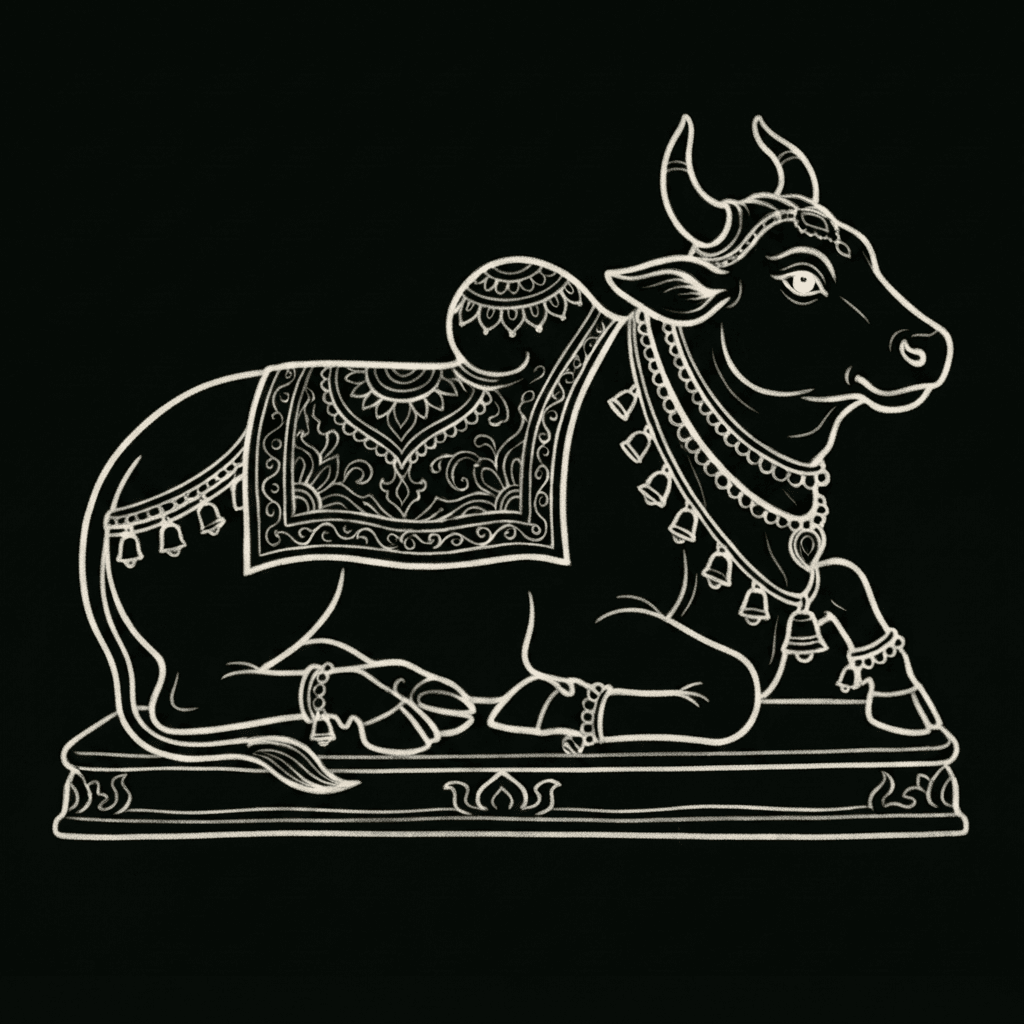
As the sun climbs, the golden tiered roofs catch the light, casting long, dramatic shadows across the stone courtyard.
It is more than a structure; it is a spiritual threshold where the physical and metaphysical converge. Every stone carving and weathered wooden beam tells a story of Newari craftsmanship preserved through the ages. To walk these grounds is to step outside linear time and enter a sanctuary of pure presence.

As dusk falls, the air grows thick with the scent of sandalwood. The Aarti ceremony begins — a rhythmic offering of light and fire that illuminates the faces of devotees.
It is from these very ceremonies that we gather the floral offerings, breathing a second life into the sacred remnants of Pashupatinath.
“Where every stone is a scripture and every breath an invocation.”
Each PhoolPrasad object carries the echo of these prayers back into your home.